reduces hairfall + boosts new hair growth

Cart

Your cart is empty
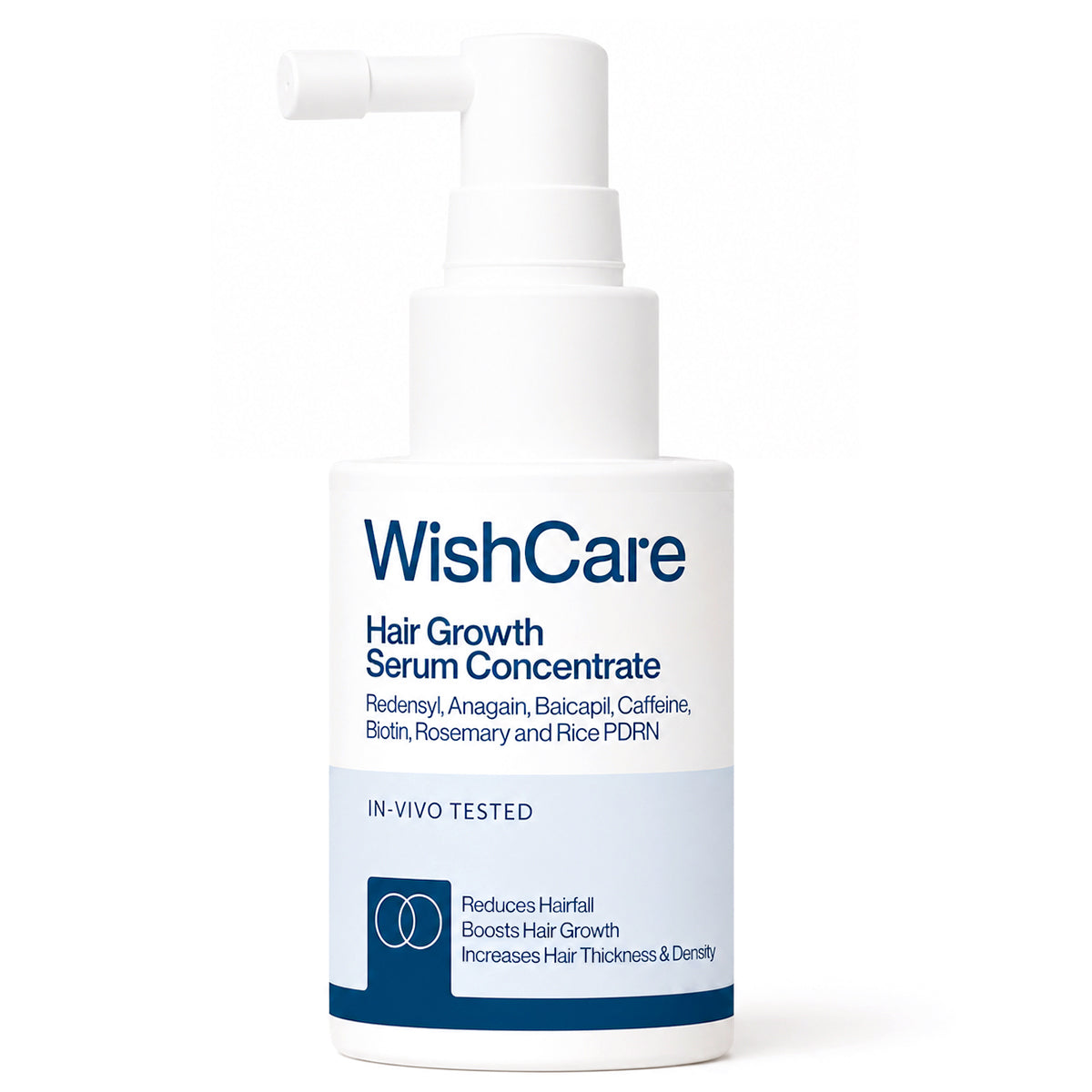
oil balance + protect
controls hairfall & strengthens root
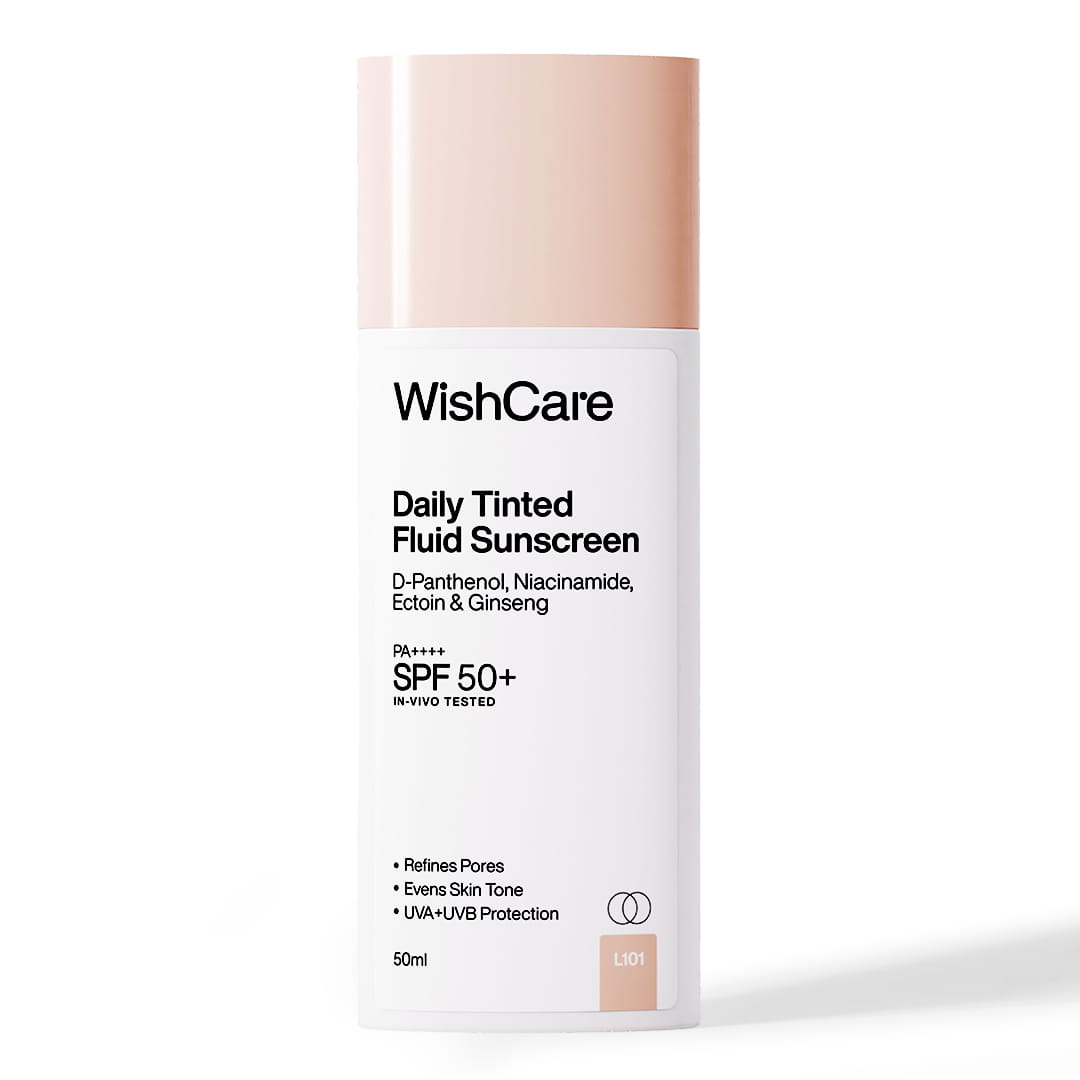
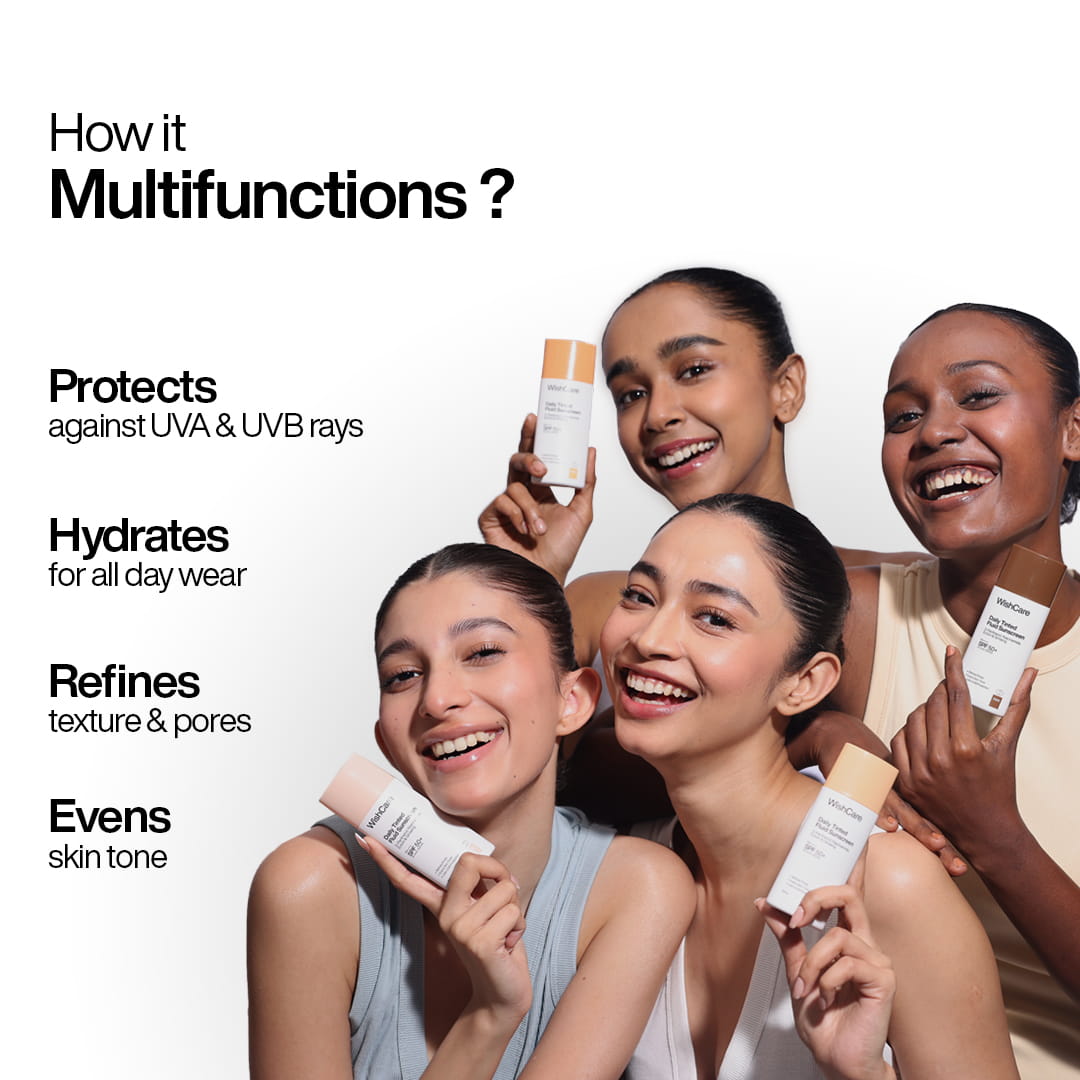
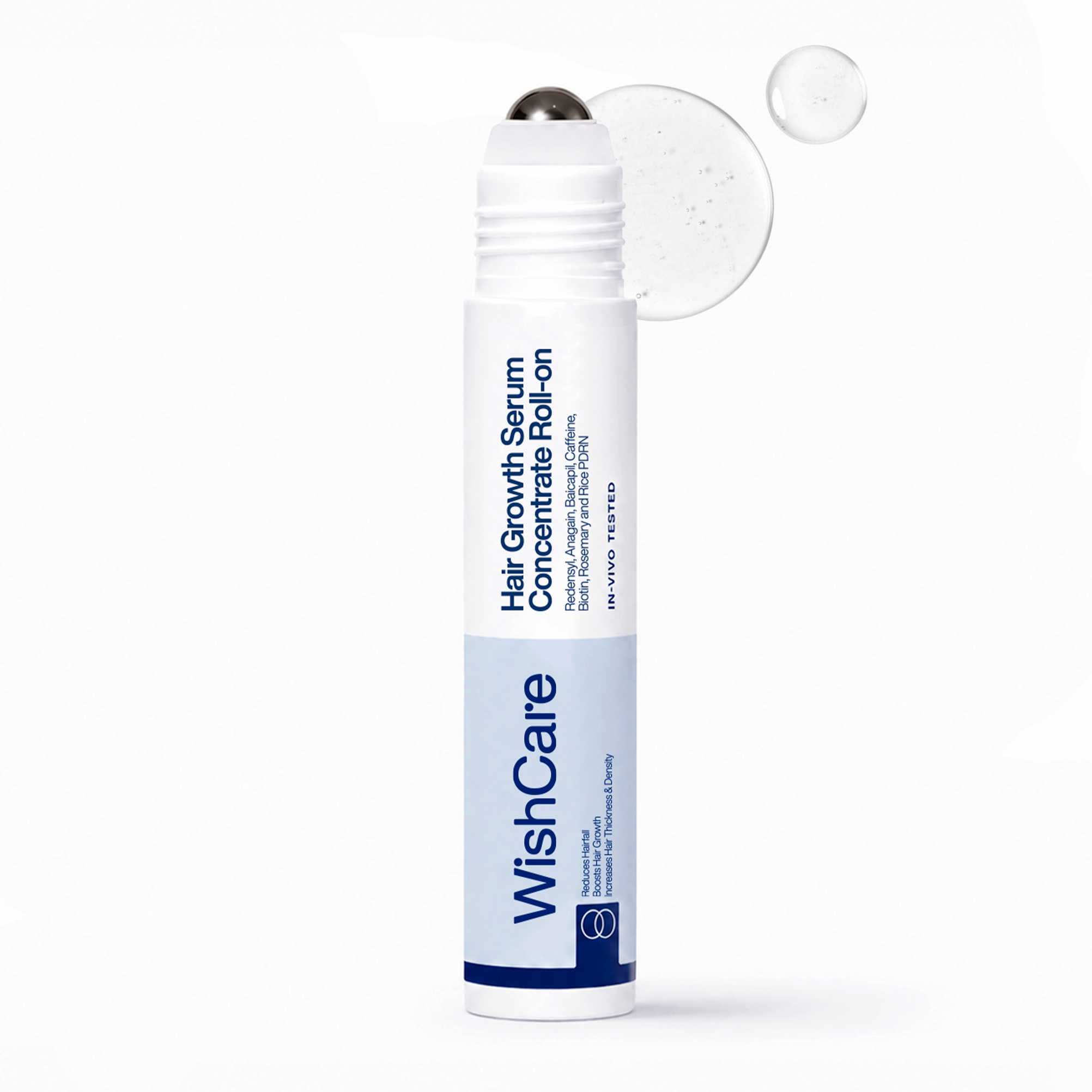
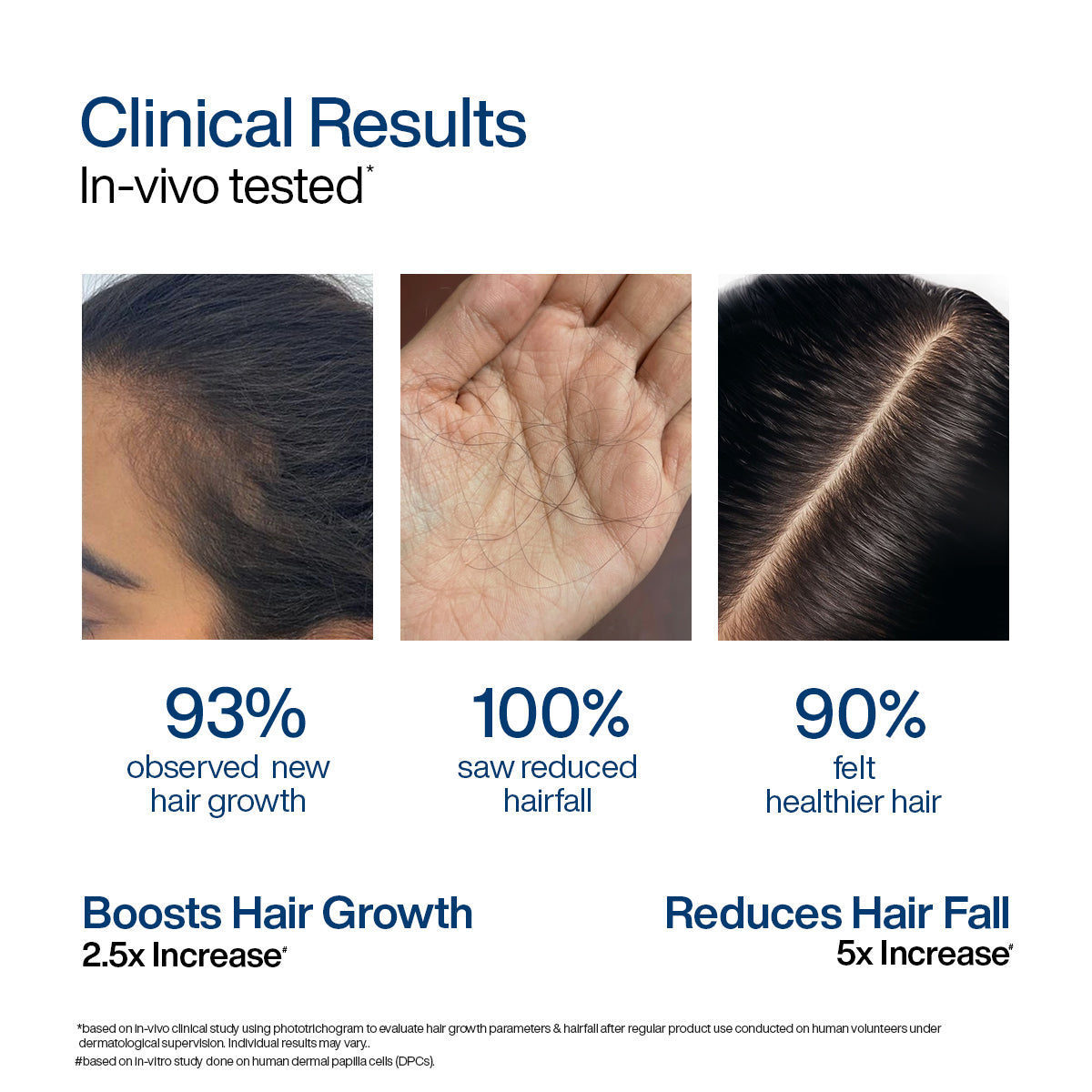
reduces hairfall + boosts new hair growth
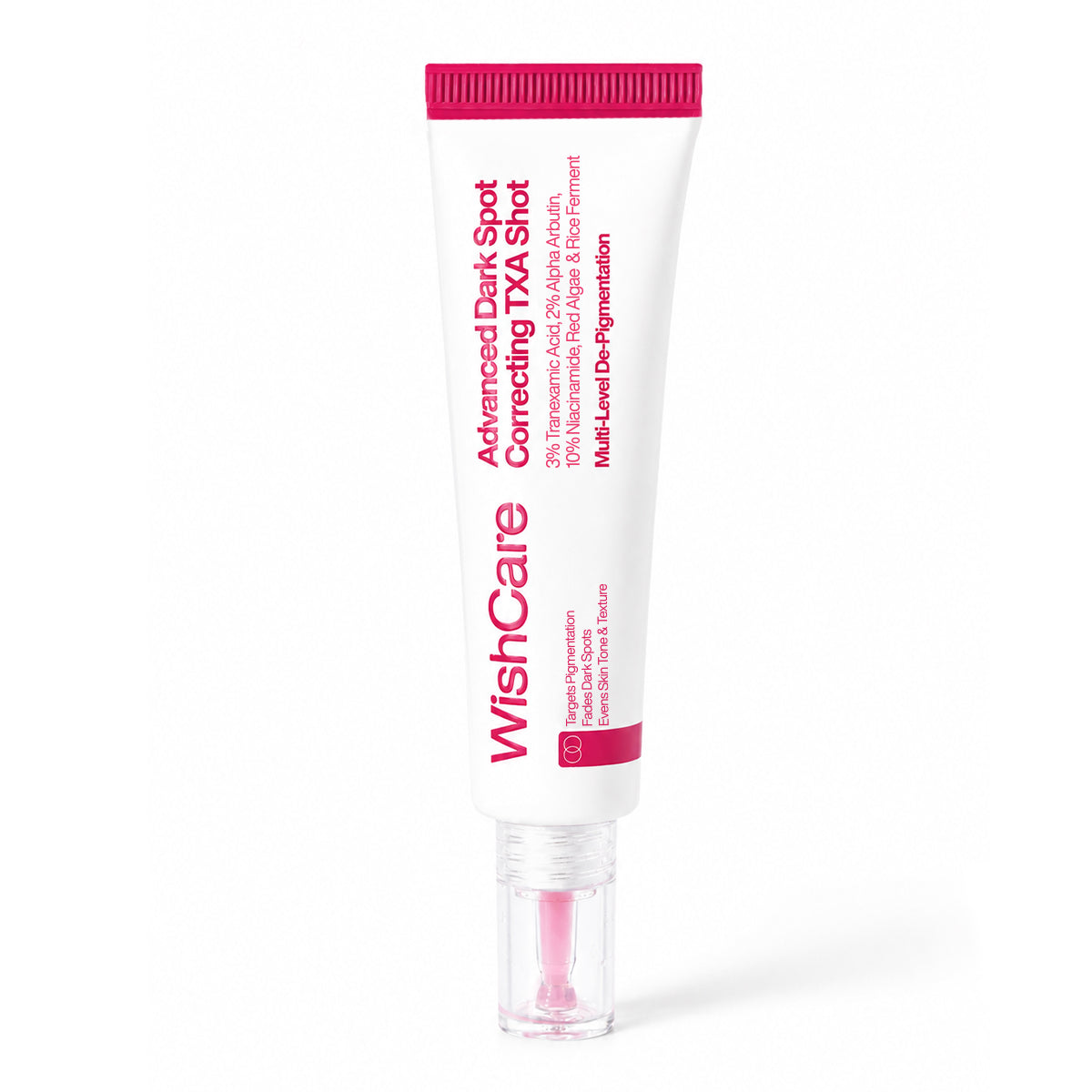
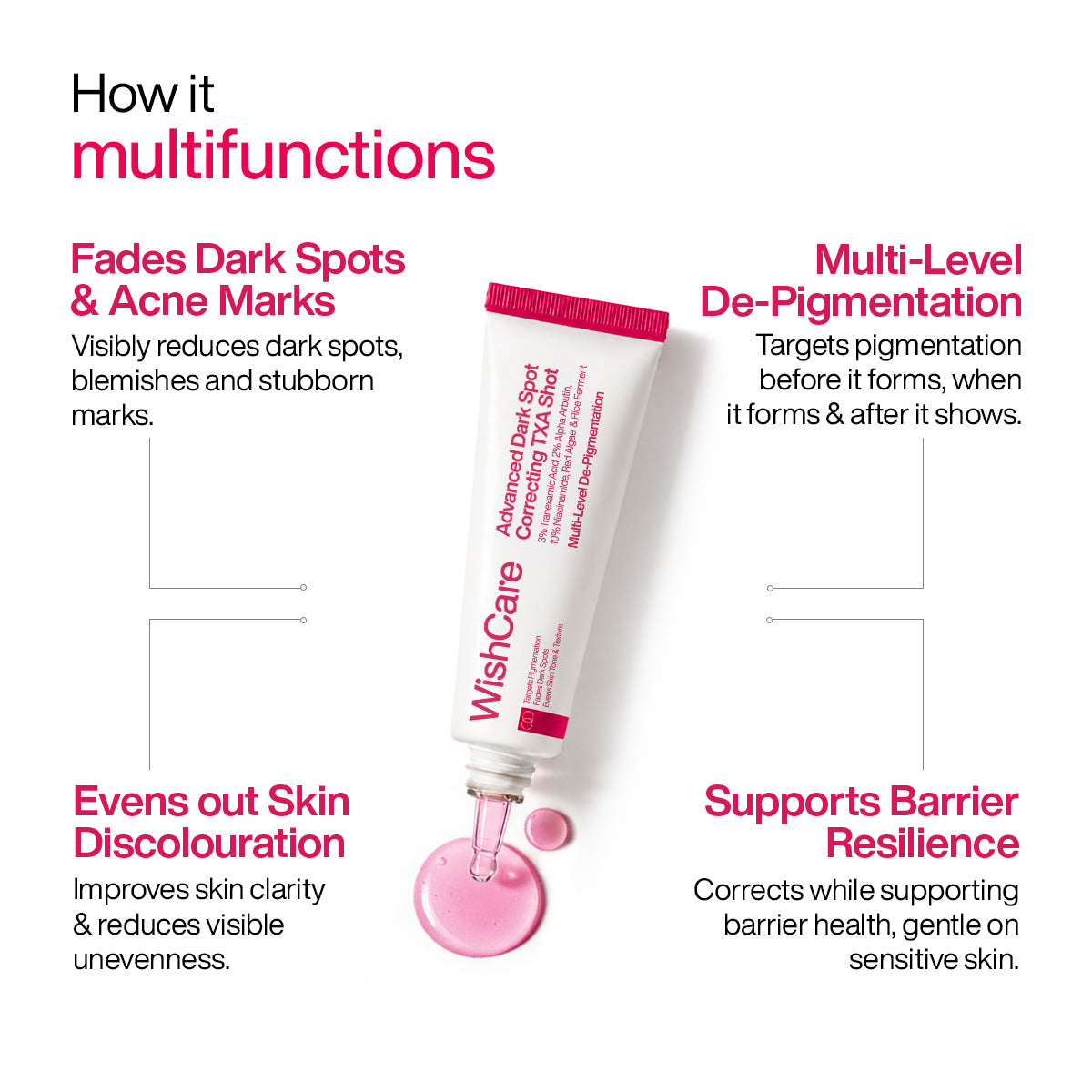
fades dark spots + targets pigmentation
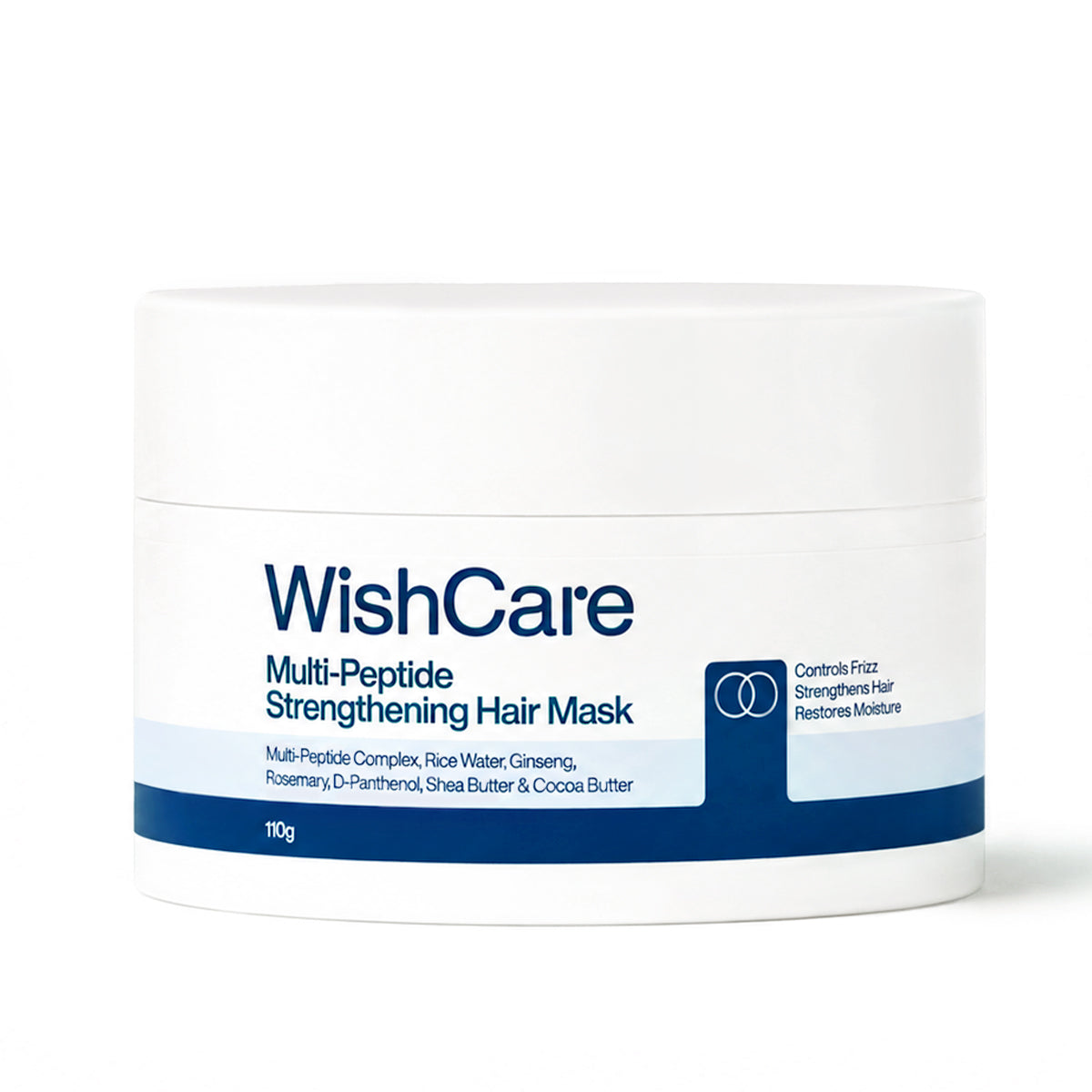
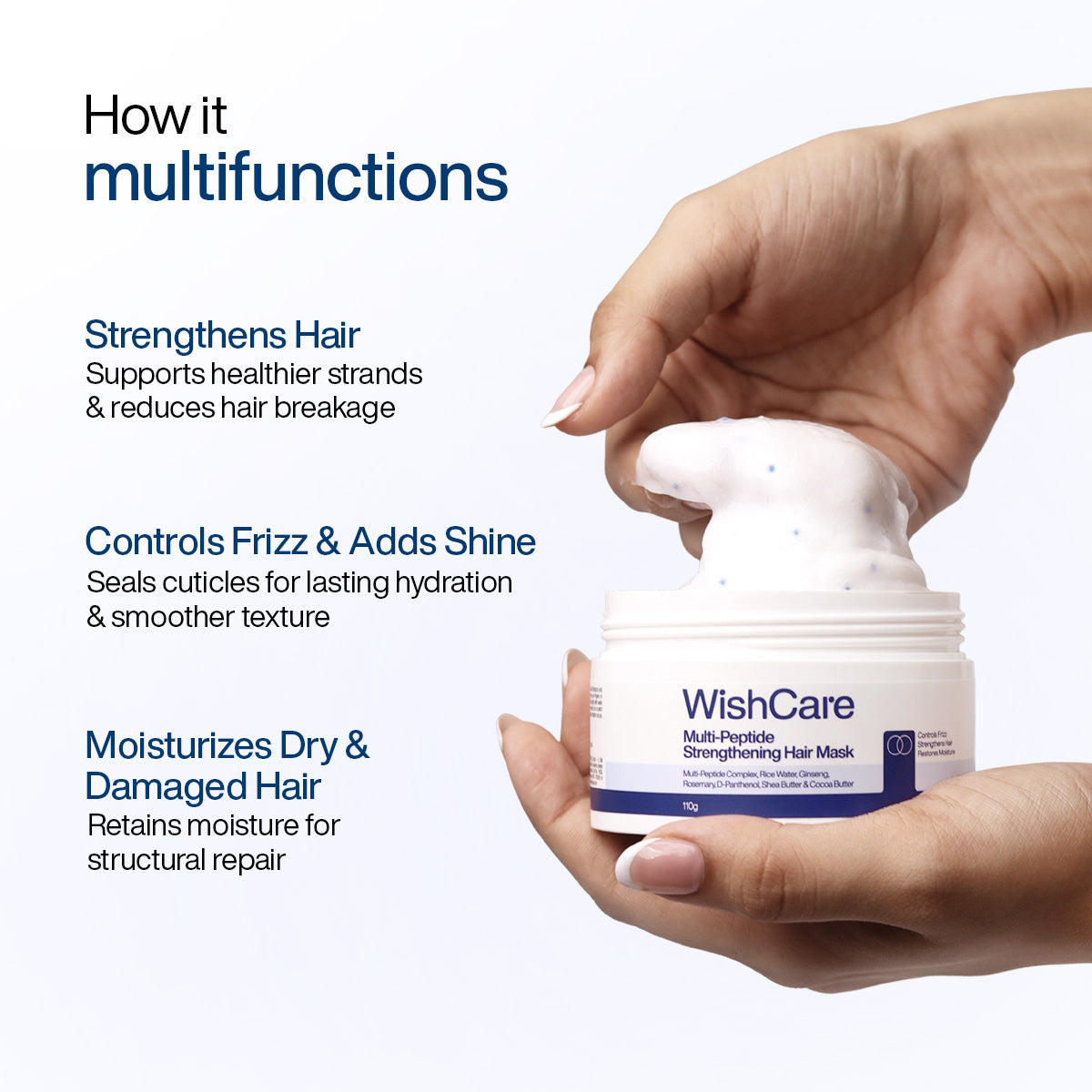
strengthens + locks in hydration
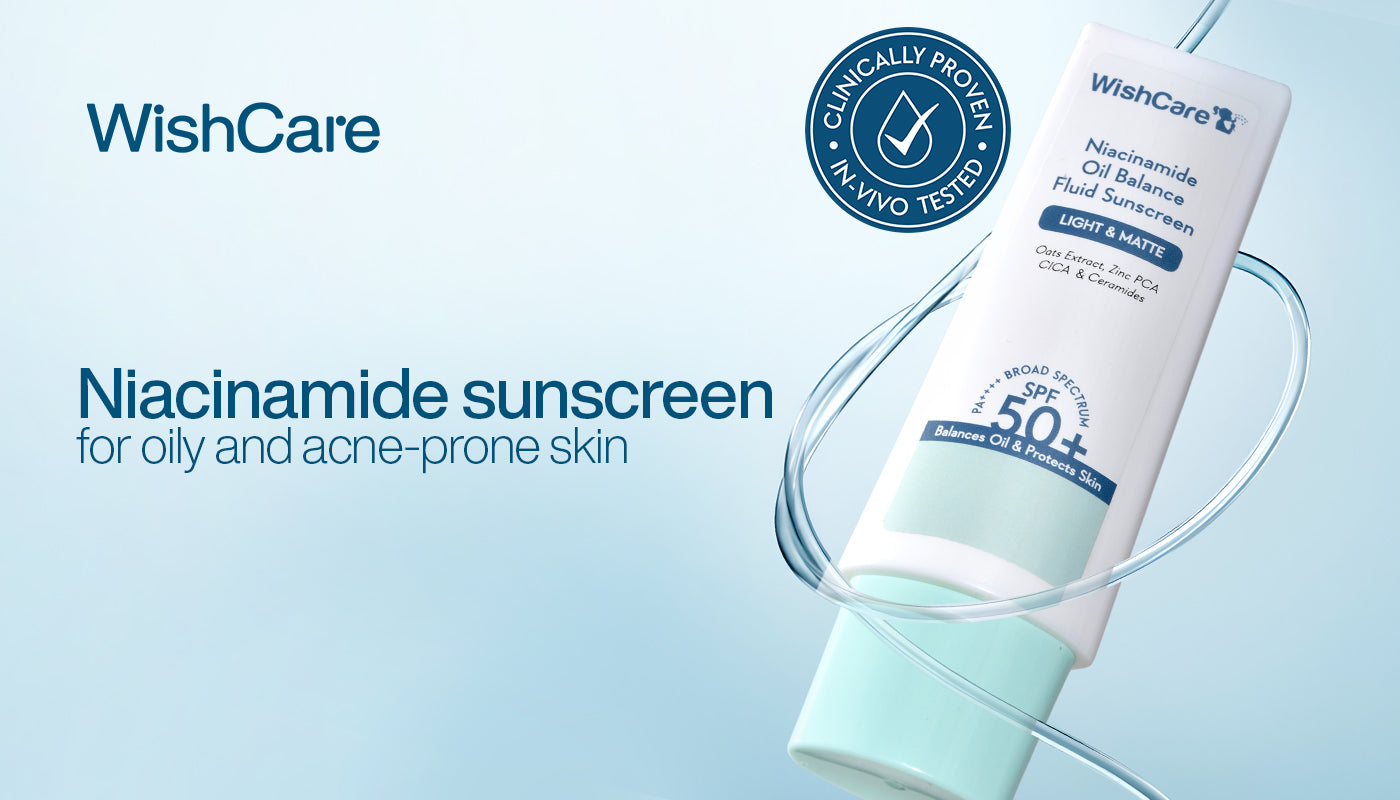
You already know sunscreen protects you from sun damage. But a sunscreen with niacinamide does something most sunscreens cannot. It actively improves your skin while protecting it.
Niacinamide is a water-soluble form of Vitamin B3. Unlike most active ingredients, niacinamide works across all skin types including oily, dry, sensitive, and combination without causing irritation or purging.
Most people apply niacinamide as a serum before sunscreen. When it is formulated directly into a sunscreen, you get two morning-routine steps in one product. You save time, reduce product layering, and remove the risk of ingredient conflicts between separate products.
The science is sound. Studies confirm that topical niacinamide at 4-5% concentration meaningfully reduces sebum excretion rates, fades post-inflammatory hyperpigmentation (PIH), and improves transepidermal water loss (TEWL), which is the rate at which your skin loses moisture through evaporation. Sun exposure accelerates all three of these problems. A sunscreen that also addresses them at the source is doing far more than passive protection.
Niacinamide at 5% concentration regulates sebaceous gland activity. This means less oil is produced at the surface throughout the day.
For people with oily or combination skin, especially in India's humid, high-UV climate, this is the difference between a congested face by noon and a clean, matte finish that lasts 6-8 hours. A sunscreen with niacinamide for oily skin removes the need for a separate oil-control primer.
When paired with Zinc PCA (a zinc salt of pyrrolidone carboxylic acid), the oil-control effect is even stronger. Zinc PCA works at the sebaceous gland level to slow oil secretion, while niacinamide regulates the surface sebum that has already reached the skin.
UV exposure is one of the biggest triggers for melanin production. Every time unprotected skin meets the sun, existing dark spots get darker and new ones form. This is why acne marks often do not fade. Sun exposure keeps restimulating pigmentation.
Niacinamide interrupts this cycle. It blocks the transfer of melanosomes (pigment-carrying structures) from melanocytes to skin cells, slowing new dark spot formation. When this happens inside a sunscreen for hyperpigmentation that is also blocking the UV rays triggering the process, you are stopping dark spots from two directions at once.
Clinical research shows that 4-5% niacinamide visibly reduces dark spots and uneven skin tone within 8-12 weeks of consistent daily use.
Your skin barrier keeps moisture in and irritants out. Sun damage, pollution, and dehydration weaken it over time. A compromised barrier leads to dryness, sensitivity, redness, and increased breakouts.
Niacinamide stimulates ceramide production in the skin. Ceramides are the lipid molecules that hold skin cells together and maintain barrier integrity. More ceramides means a stronger, more resilient barrier.
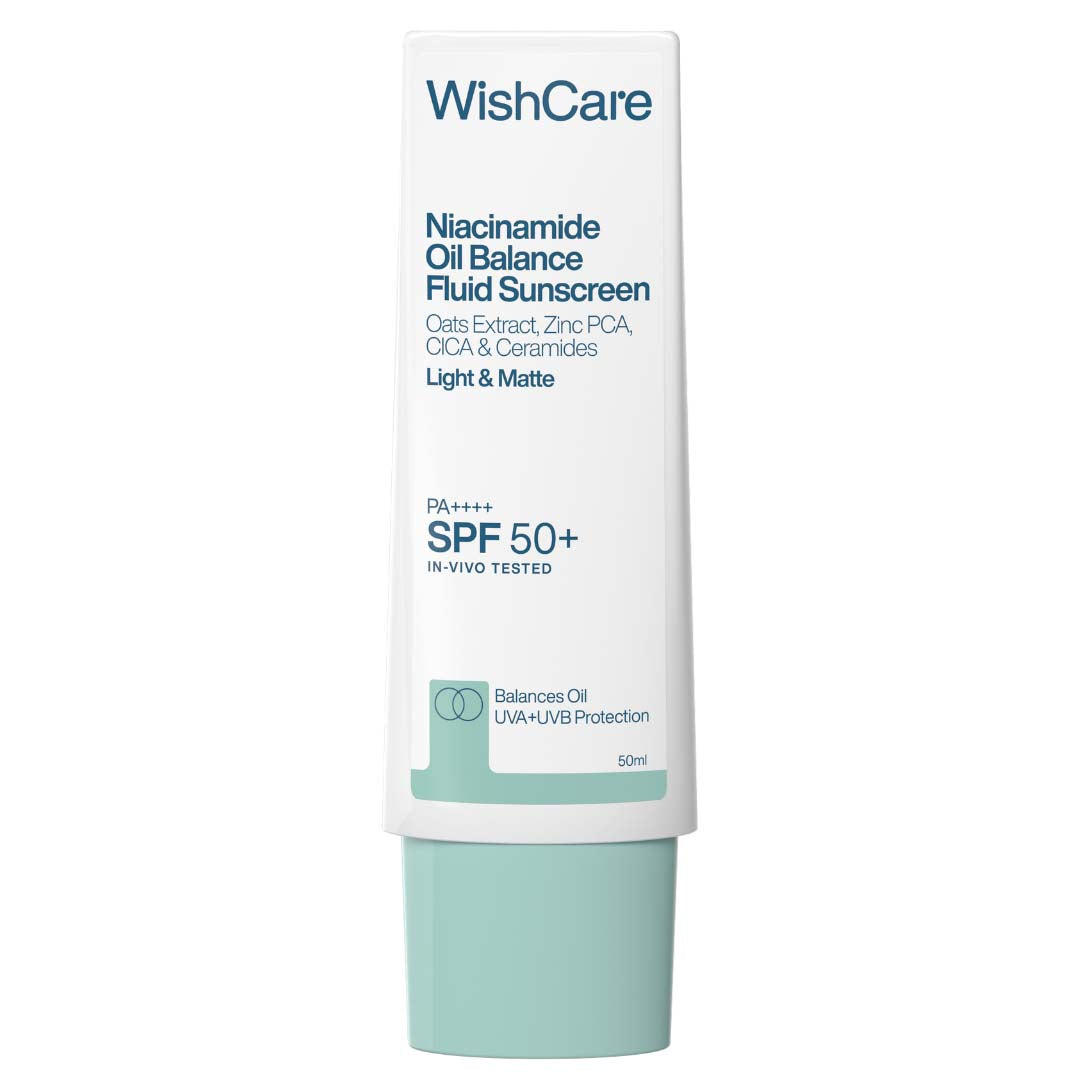
A niacinamide sunscreen with ceramides supports your skin barrier from two directions: niacinamide signals your skin to produce its own ceramides, while topically applied ceramides provide immediate reinforcement. The WishCare Niacinamide Oil Balance Fluid Sunscreen SPF 50 PA++++ contains three ceramide types, AP, NP, and EOS, alongside 5% niacinamide, making it one of the more comprehensively formulated options in this category.
Niacinamide is one of the few active skincare ingredients that reduces inflammation without causing sensitivity. It suppresses the production of pro-inflammatory cytokines in the skin, which are the chemical messengers responsible for redness, swelling, and irritation.
For acne-prone or reactive skin, this makes niacinamide sunscreen significantly more comfortable to wear daily than conventional SPF formulas that can cause stinging or breakouts.
Excess sebum production causes pores to appear enlarged. Oil stretches pore walls over time. Because niacinamide controls oil at the source, pores that looked stretched begin to appear smaller and tighter with regular use.
This is not a physical shrinking of pores. Pore size is genetically determined. But removing the oil that causes them to look stretched makes a real, visible difference in skin texture within 4-6 weeks.
| Skin Type or Concern | Why Niacinamide Sunscreen Helps |
|---|---|
| Oily skin | Controls sebum, delivers all-day matte finish |
| Acne-prone skin | Reduces inflammation, prevents clogged pores |
| Hyperpigmented skin | Blocks melanin transfer, fades dark spots alongside UV protection |
| Sensitive skin | Calms redness, reduces irritation without stripping |
| Combination skin | Balances T-zone oil while hydrating drier areas |
| Post-acne skin | Speeds up fading of PIH marks while blocking sun-triggered redarkening |
| Indian skin tones | Prevents tanning and deep pigmentation from tropical UV intensity |
Niacinamide sunscreen is particularly well-suited to Indian skin conditions. India sits within the tropical UV belt, where UVA and UVB intensity is significantly higher than in temperate climates. This combination of intense sun exposure and high humidity makes an oil-controlling, barrier-supporting broad-spectrum SPF 50 PA++++ sunscreen especially relevant and especially effective.
A well-formulated niacinamide sunscreen will:
The WishCare Niacinamide Oil Balance Fluid Sunscreen meets all three criteria. Its SPF 50.025 in-vivo value was tested at CCFT Laboratories Pvt. Ltd. to ISO 24444:2019, and its photostability was confirmed by FARE Labs Private Limited.
Not every product labelled "niacinamide sunscreen" delivers meaningful results. Here is exactly what to look for:
| Ingredient | What It Does | Benchmark to Look For |
|---|---|---|
| Niacinamide | Oil control, dark spot fading, barrier repair | 4-5% minimum |
| SPF | UVB protection | SPF 50 minimum |
| PA rating | UVA protection | PA++++ (highest available) |
| Zinc PCA | Sebum regulation at the gland level | Listed in the top half of the ingredient list |
| Ceramides | Barrier reinforcement | AP, NP, EOS forms |
| Centella Asiatica / CICA | Calms inflammation, soothes reactive skin | Any extract form |
| Hyaluronic Acid | Hydrates without adding oil | Present in formula |
| Texture type | Must not clog pores | Fluid or gel, non-comedogenic |
| Finish | Critical for oily skin | Matte, not dewy or glossy |
| SPF testing standard | Validates the SPF claim | In-vivo tested |
Applying sunscreen incorrectly is the most common reason people do not get the protection or results they expect.
Pair with WishCare's NMF Water Gel Moisturizer for a complete lightweight morning routine for oily skin.
| Feature | Regular SPF 50 Sunscreen | Niacinamide SPF 50 Sunscreen |
|---|---|---|
| UVA and UVB protection | Yes | Yes |
| Oil control | No | Yes (with Zinc PCA) |
| Dark spot fading | No | Yes |
| Barrier repair | No | Yes (with ceramides) |
| Pore appearance improvement | No | Visible improvement within 4-6 weeks |
| Anti-redness and calming | No | Yes |
| Products it replaces | Sunscreen only | Sunscreen + niacinamide serum |
A niacinamide sunscreen is not just SPF with a trendy ingredient. It is a genuinely multifunctional product that earns its place in a minimal, effective morning skincare routine.
The combination of broad-spectrum UV protection, 5% niacinamide for oil control and dark spot fading, ceramides for barrier support, and Zinc PCA for sebum regulation means you are getting meaningful skincare benefit alongside your sun protection from a single product.
For anyone managing oily skin, acne marks, or uneven skin tone in the Indian climate, a niacinamide sunscreen is one of the highest-ROI single products you can add to your routine.
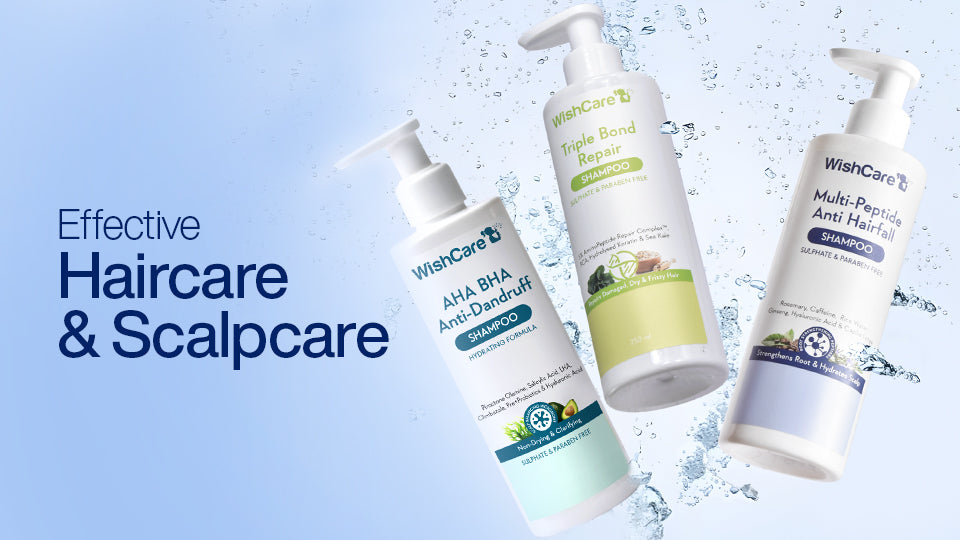
The Complete Haircare Routine for Indian Hair: Hair Fall, Dandruff and Dry Frizzy Hair
This guide breaks everything down by the three most common Indian hair problems. Find your concern, follow the routine, and be consistent. Table of Contents How to Identify Your Hair Problem Ha...
Read more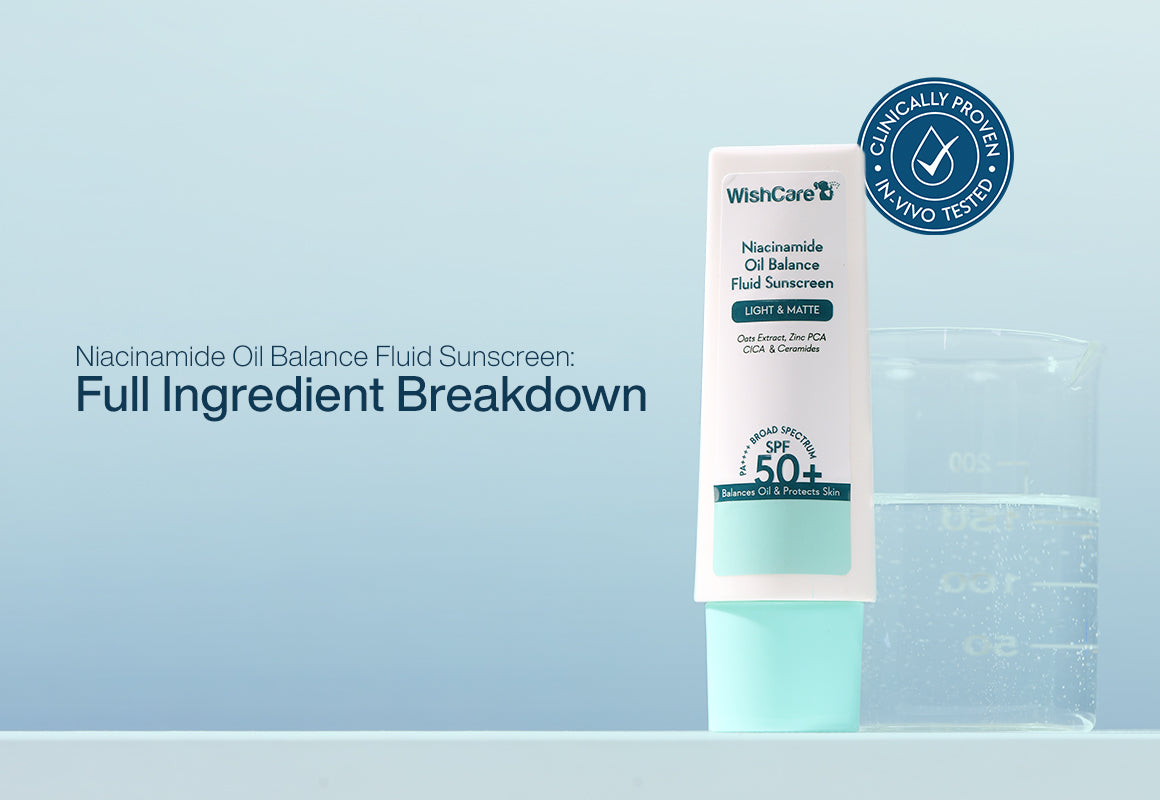
WishCare Niacinamide Sunscreen: Full Ingredient Breakdown
Best Sunscreen for Oily Skin in India | SPF 50 PA++++ Niacinamide Guide Sunscreen for oily skin is ...
Read more
Leave a comment
This site is protected by hCaptcha and the hCaptcha Privacy Policy and Terms of Service apply.